

Abstract:
Looking for a smarter hospital oxygen solution? Chengdu LianBang Medical (LBYL) introduces its oil-free VSA technology, engineered to significantly enhance efficiency and crisis readiness for healthcare providers. This system enables potential energy savings of up to 38%, direct 8.5 barG ICU supply without boosters, and drastically reduced maintenance. With validated rapid ROI-as quickly as 11 months in some cases-hospitals, clinics, and emergency units worldwide can achieve both economic and operational benefits.
Crucially, LBYL's WHO-compliant VSA-Mini clusters allow emergency oxygen deployment within just 8 hours, offering a reliable and cost-effective alternative to liquid oxygen in critical situations. Supported by major certifications (including EU MDR and China NMPA, with FDA 510(k) pending), and proven across diverse settings-from large hospitals in Chiang Mai to high-altitude locations-this technology meets modern medical oxygen demands with reliability, intelligence, and scalability.
Explore how healthcare facilities ranging from 500-bed general hospitals to specialty clinics and retirement homes can transform their medical gas systems while preparing for unexpected emergencies.
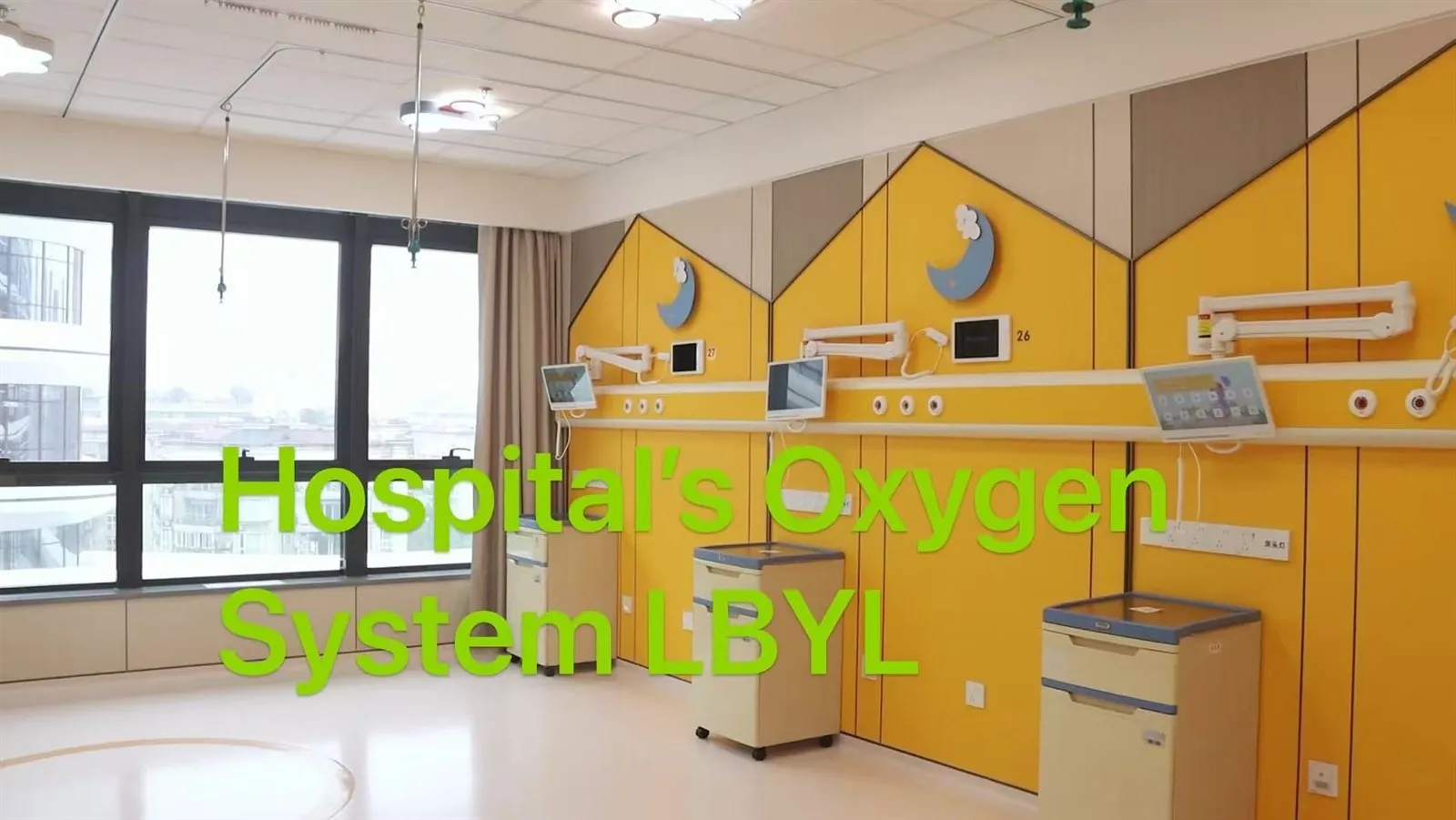
When was the last time your hospital's oxygen supply system was truly evaluated for efficiency, reliability, and crisis readiness? For medical procurement decision-makers and regional distributors across the U.S., Europe, Thailand, and the Philippines, the pressure is mounting. Hospitals from Houston to Hanoi, from Berlin to Bangkok, are facing dual challenges: cutting operational costs without compromising care, and preparing oxygen infrastructure for emergencies.
This is where LianBang Medical (LBYL) comes in-with a proven, certified, and financially transformative oxygen generation solution designed for modern healthcare environments.
The Hidden Cost of Traditional Oxygen Systems-and How LBYL's VSA Technology Offers a Way Out
Most hospitals rely on either liquid oxygen (LOX) or Pressure Swing Adsorption (PSA) systems, often with added booster compressors for ICU-grade pressure. These systems are not only energy-intensive but also slow to deploy in emergencies.
LianBang's oil-free Vacuum Swing Adsorption (VSA) technology changes the game. By eliminating the need for boosters and reducing energy waste, hospitals can achieve direct 8.5 barG pressure suitable for ICU and OR use-with no oil contamination risk and significantly lower power consumption.
Validated at Chiang Mai Ram Hospital in Thailand, the numbers speak for themselves:
Traditional PSA + Booster: 0.68 kWh/Nm³ | Annual maintenance: ~$18,400
LBYL VPSA100H Module: 0.42 kWh/Nm³ | Annual maintenance: ~$2,100
That's a potential energy reduction of up to 38%, and maintenance savings of nearly 90%.
Beyond Savings: Emergency Readiness That Beats Liquid Oxygen
When a crisis hits-be it a pandemic, natural disaster, or sudden surge in patients-every hour counts. Liquid oxygen requires transport, storage, and complex logistics. During the Wuhan Fangcang Hospital deployment in 2022, LBYL's VSA-Mini clusters supported a 4,000-bed facility within 48 hours.
In a recent validation on Deradawa Island, the results were clear:
|
Metric |
Liquid Oxygen Tank |
LBYL VSA-Mini Cluster |
|
Deployment Time |
72 hours |
8 hours (airlift-ready) |
|
Commissioning |
48 hours |
4 hours (plug-and-play) |
|
Oxygen Cost per Nm³ |
$18.3 |
$6.2 |
|
Operating Temp Range |
20°C–40°C |
35°C–55°C (IP66 rated) |
This makes the system ideal not only for large public hospitals but also for private hospitals, oncology centers, clinics, and even pop-up health centers in remote or high-altitude locations.

Who Is Using LBYL Systems? Real-World Cases Across Markets
United States (Texas): A 500-bed private general hospital is currently evaluating LBYL's system for an estimated $220,000/year savings.
Thailand (Chiang Mai): Chiang Mai Ram Hospital achieved an 11-month return on investment after switching to LBYL.
Philippines (Manila): Multiple mid-sized clinics and pulmonary care units have adopted VSA-Mini units for their reliability in humid conditions.
Europe (Germany): A university hospital in Berlin is using LBYL's cloud-based O₂ monitoring for real-time purity tracking across departments.
Financial Impact: See What Your Organization Could Save
For an 800-bed hospital operating at $0.75/kWh, annual savings can reach $346,000. Even smaller institutions-such as 200-bed specialty hospitals or large outpatient clinics-can achieve proportionally significant reductions in operational expense.
CAPEX payback periods as short as 11 months have been documented, making this one of the fastest-upgradable medical infrastructure investments available today.
Engineered for Reliability, Certified for Compliance
LBYL doesn't compromise on safety or quality:
Direct ICU pressure supply compliant with ISO 10083-1:2023
EU MDR Annex XVI certified
China NMPA approved
FDA 510(k) clearance pending
Environmental impact reduction verified by SGS (up to 63% lower CO₂ vs. PSA)
The core innovation-Radial Vortex Adsorption (patent ZL202310582XXX.X)-enables 92% adsorbent utilization, extending system life and consistency.
Additional features include cloud connectivity (MQTT/BACnet), high-altitude operation (tested at 4,500m in Ecuador), and noise levels below 62 dB(A), making it suitable for noise-sensitive environments.

Ideal For:
Public and private hospitals (500–1000+ beds)
Oncology and cardiology specialty hospitals
Ambulatory surgery centers
Retirement and long-term care facilities
Dermatology and aesthetic clinics (oxygen therapy)
Field hospitals and emergency response units
Your Next Steps:
If you're a regional distributor or hospital procurement specialist interested in a custom ROI analysis or technical whitepaper, we invite you to reach out.

About LianBang Medical (LBYL)
Chengdu LianBang Medical Technology Co., Ltd. (LBYL) is a leading innovator in medical gas equipment, with a focus on efficient, critical-care-ready oxygen generation systems. With certifications across major global markets and a presence in over 20 countries, LBYL supports healthcare providers in delivering continuous, cost-effective, and crisis-resilient medical oxygen.